
Alimentation de l'enfant
How to get your child to eat vegetables: 8 tips that work
10 October 2026 · Nephtalie Joseph
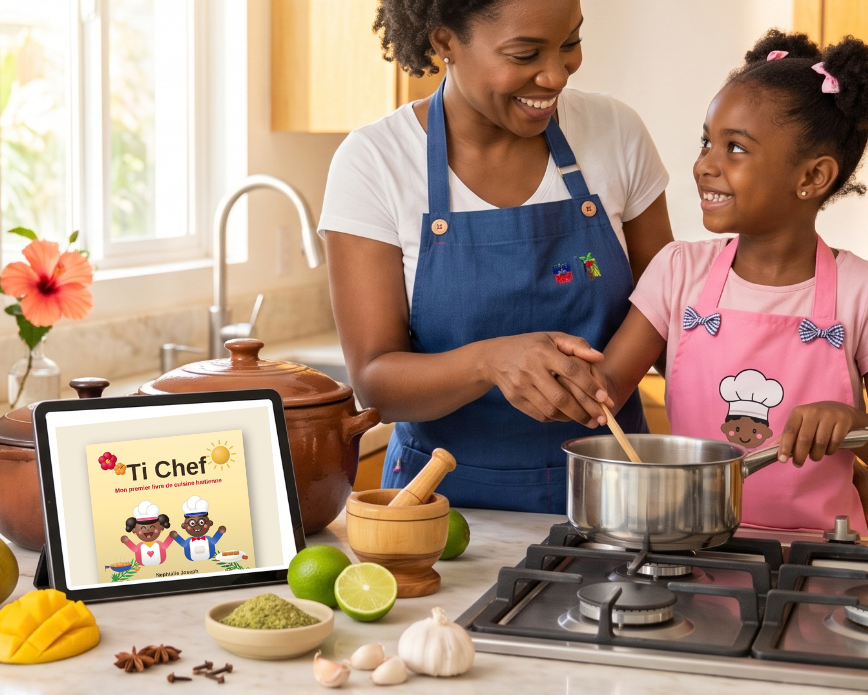
“I don’t like that!” even before tasting: if this phrase resonates with you, you are not alone. Many children are wary of vegetables, and it is a normal stage of their development. The good news is that there are simple tricks, without forcing or negotiating, to help them taste and, little by little, learn to like them.
1. Have them cook it themselves
This is the most effective trick: a child will taste something much more willingly if they have prepared it with their own hands. Let them wash the vegetables, peel them with a peeler, mix the salad, or arrange the vegetables on the dish. They will be proud to taste “their” dish and have others taste it too.
2. Offer, again and again (without forcing)
You often have to present a food a dozen times before a child accepts it. A refusal today does not mean a refusal forever. Offer a small amount, without pressure, alongside foods they already like. And congratulate them for having tasted it, even just one bite.
3. Make grocery shopping an adventure
At the market or the supermarket, let them choose a vegetable they don’t know. Once home, look together at how to cook it. If they chose the vegetable, they will want to taste it.
4. Play with colors and shapes
A rainbow plate, sticks to dip in a sauce, vegetables cut into stars or hearts: play removes suspicion. Children also like raw vegetables to snack on with their fingers.
5. Hide them… then show them
Vegetables in a soup, sauce, cake, or patty are a good way to get the palate used to them. But don’t hesitate to tell the child afterwards what they ate: “Did you know that the cake you loved is made with sweet potato?” That is how they change their mind about a vegetable.
6. Lead by example
Children imitate what they see. If you eat vegetables with pleasure and speak well of them, they will eventually want to try. Family meals, all together at the table, help a lot.
7. Use spices and herbs
A plain, boiled vegetable has little chance of convincing anyone. A little garlic, thyme, parsley, or lime changes everything. In Haitian cuisine, *épis*, that blend of fresh herbs, flavors vegetables, rice, and sauces: children who have prepared it themselves love it. Try our free épis recipe, to make with the children.
8. Tell the story of what you are eating
Where does this vegetable come from? What is it called in another language? Which grandmother’s dish uses it? A food that has a story becomes more interesting. For example, the *joumou* (pumpkin) is the vegetable in the famous Haitian soup joumou for January 1st.
What is best to avoid
- Forcing or punishing: this associates the vegetable with a bad experience.
- Dessert as a reward: “if you finish your green beans, you will get cake” makes the vegetable seem like a chore.
- Preparing a separate meal: offer the same dish to everyone, with at least one food they know.
Cooking, the parents' best ally
Getting involved in the kitchen remains the easiest way to reconcile a child with vegetables. That’s why we created Ti Chef – My first Haitian cookbook: 37 easy recipes to make with children aged 6 to 12, from *épis* to *pen patat* (a sweet potato cake that melts the hearts of the pickiest eaters). Each step indicates what the child does and what the adult does, and each recipe identifies allergens.